13 November 2026
The Advantages of Permanent Dental Implants Bakersfield CA
Presented by @gunnerjxpt629
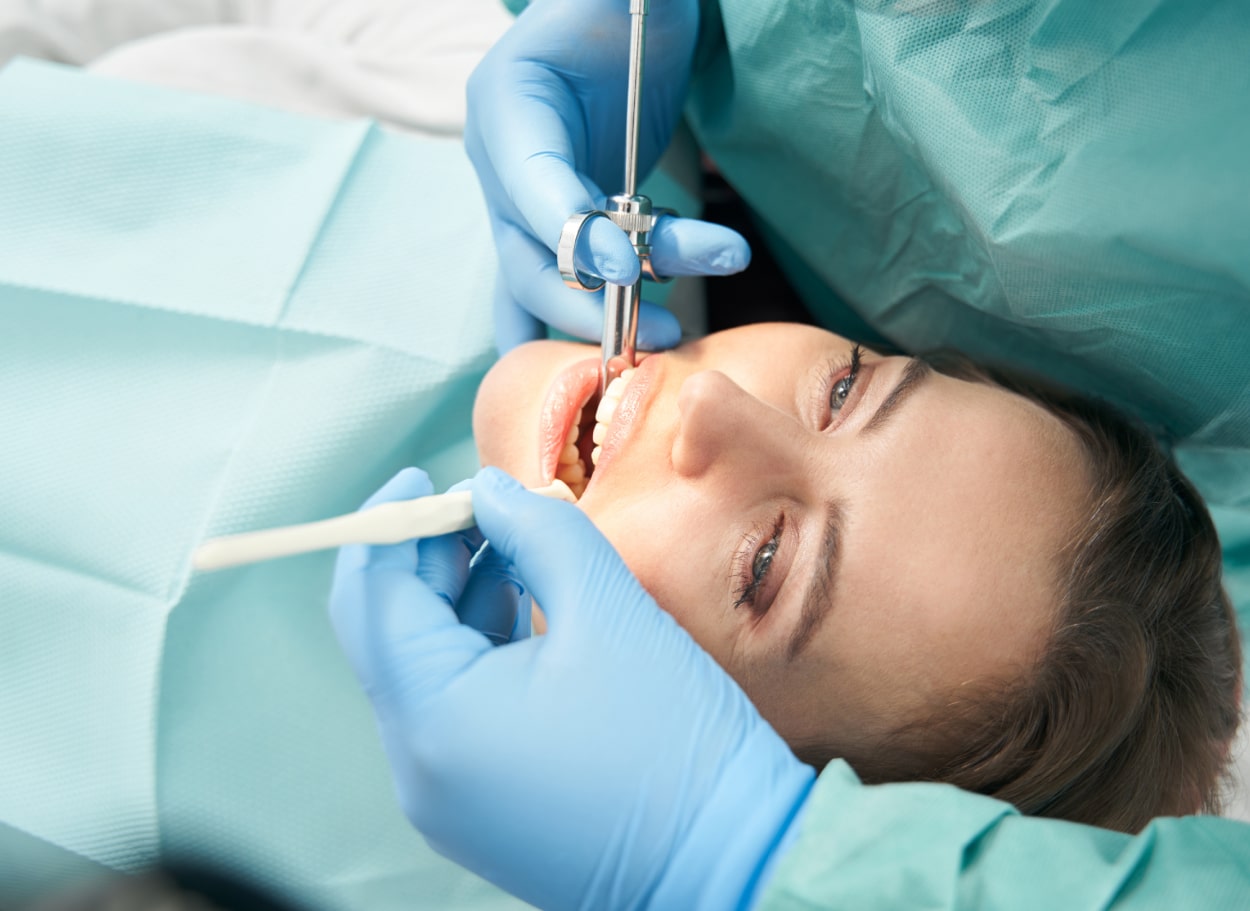
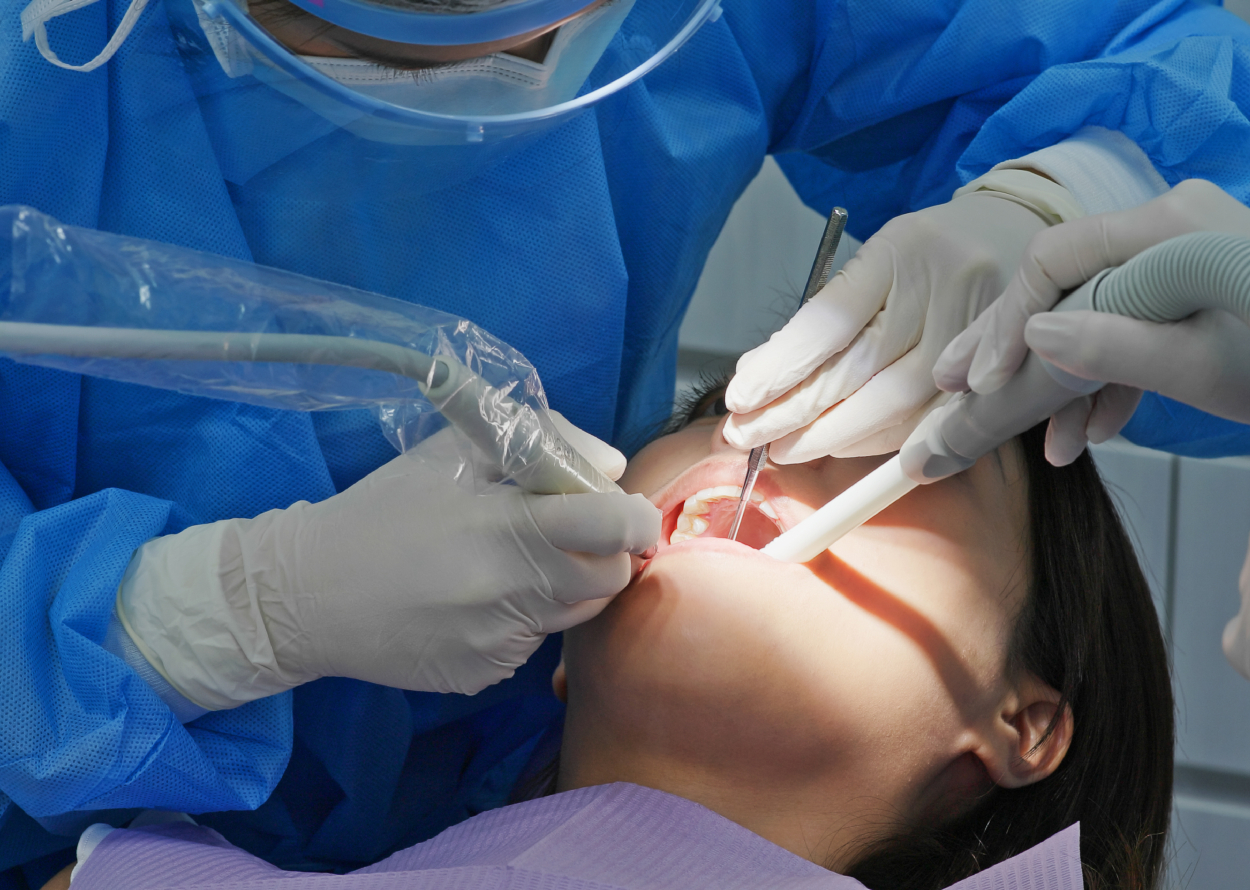
Missing teeth change more than a smile. They alter the way a person eats, speaks, and carries themselves in conversation. Over time, they can also affect jaw health, facial support, and confidence in subtle but important ways. For many adults, especially those who have spent years managing removable dentures or living with a gap they have learned to hide, permanent dental implants offer a very different path.
In Bakersfield, where patients often balance long workdays, family obligations, and practical concerns about long-term value, treatment decisions tend to be grounded in function as much as appearance. That is one reason interest in Dental Implants Bakersfield CA continues to grow. People want a solution that feels stable, looks natural, and holds up over time. Permanent dental implants meet that need better than any other tooth replacement option currently available in routine practice.
What makes them stand out is not just durability. It is the way they integrate with the body, preserve bone, and restore a sense of normalcy that removable appliances rarely match. Patients often describe the change in simple terms: they stop thinking about their teeth all day. That alone is a major quality-of-life improvement.
What “permanent” really means in implant dentistry
When people hear the phrase permanent dental implants, they usually mean a tooth replacement that is fixed in place rather than removable. The implant itself is a small post, most often titanium or a titanium alloy, placed into the jawbone to act like an artificial tooth root. Once it heals and bonds with the bone through a process called osseointegration, it can support a crown, bridge, or a full-arch restoration.
Permanent does not mean indestructible. Like natural teeth, implant restorations can wear, chip, or need maintenance over the years. Gum tissue around implants still requires careful cleaning. Patients who grind their teeth may need a night guard. But compared with removable partials or full dentures, implants are far closer to a long-term fixed solution.
That distinction matters. A removable denture sits on top of the gums and depends on suction, adhesives, and anatomy for retention. An implant-supported restoration is anchored from within the jaw. The difference in comfort and confidence is substantial.
Stability changes everyday life
The first advantage most patients notice is stability. Chewing becomes more predictable. Speech sounds clearer, especially for people who have struggled with lower dentures shifting during conversation. Smiling and laughing feel less guarded.
A patient who has worn a lower denture for several years often comes in with a very specific frustration: they can manage soft foods, but steak, apples, crusty bread, and even salad can become a chore. The lower denture moves because the lower jaw offers less surface area and suction than the upper jaw. Even a well-made denture can feel unstable there. Two to four implants to support a lower overdenture, or a fixed implant bridge in selected cases, can transform that experience.
For someone missing a single tooth, the stability benefit is less dramatic but no less important. A well-placed implant crown avoids the slight give or awareness that sometimes comes with other prosthetic options. It feels closer to having your own tooth back. Patients often say they forget which tooth is the implant after a few months.
This is not a small point. The best dental treatment is often the kind that disappears into normal life.
Protecting the jawbone is one of the biggest long-term advantages
Teeth do more than chew food. Their roots stimulate the jawbone every time a person bites down. When a tooth is lost, that stimulation drops off. Over time, the bone in that area begins to resorb, or shrink. This is one reason the face can look more sunken after years of tooth loss, particularly in people who wear full dentures.
A bridge can replace the visible part of a missing tooth, but it does not replace the root. A removable denture does not either. Dental implants are unique because they restore function below the gumline. That mechanical stimulation helps preserve bone volume.
In practice, this has several benefits. It supports facial structure, helps maintain the fit of surrounding tissue, and can reduce the cycle of progressive ridge shrinkage that makes dentures harder to wear as the years go by. In full-arch cases, this can be especially important. Patients who delay treatment for a long time sometimes lose so much bone that they need grafting before implants can be placed. Early intervention can make treatment simpler.
Bone preservation is one of those advantages patients may not feel day to day right away, but dentists think about it constantly. It is central to long-term oral health planning.
Adjacent teeth stay intact
Traditional bridges are a strong option in many cases, and they still have a place in dentistry. But a conventional bridge often requires preparing the teeth on either side of the missing space. That means removing healthy tooth structure so those neighboring teeth can support the restoration.
An implant replaces the missing tooth without relying on the adjacent teeth for support. If the neighboring teeth are healthy and unrestored, preserving them is often the more conservative choice. This matters even more in younger adults or middle-aged patients who may want to avoid committing additional teeth to future restorative cycles.
Dentistry is full of trade-offs. If the teeth next to a missing space already have large fillings or crowns, a bridge may still make excellent sense. But when those teeth are sound, an implant often protects more of what nature already got right.
Comfort tends to improve, especially for denture wearers
Comfort is sometimes underestimated because people assume they can “get used to” removable appliances. Many do adapt, but adaptation is not the same as true comfort. Sore spots, pressure areas, movement during meals, and adhesive dependence are common complaints with dentures. Some patients tolerate these issues quietly for years because they think there is no better option within reach.
Permanent implants can remove much of that burden. A single implant crown does not rest on the gum the way a removable flipper or partial might. Full-arch implant restorations can dramatically reduce the friction and instability associated with conventional dentures. Even implant-retained dentures that still come out for cleaning tend to feel much more secure than traditional dentures because they snap onto implants rather than floating on soft tissue alone.
There is also a psychological comfort that should not be dismissed. People relax when they no longer worry about a prosthesis slipping in public or clicking during a meal. That reduction in self-monitoring changes social behavior in ways that are hard to measure but easy to recognize.
Better chewing efficiency supports better nutrition
When chewing becomes difficult, diet often narrows. Patients start avoiding tougher meats, raw vegetables, nuts, and fibrous fruits. They may choose softer, more processed foods because they are easier to manage. Over months and years, those choices can affect nutrition, digestion, and general health.
Implants do not turn every mouth into the same thing it was at age twenty-five, but they can improve bite force and chewing efficiency considerably compared with loose dentures. That improvement can reopen food choices. Patients often mention very ordinary milestones: eating corn on the cob again, biting into a sandwich without fear, enjoying a restaurant meal without planning around texture.
These are not cosmetic wins. They are practical gains that shape daily life.
A natural appearance matters, but it depends on good planning
One reason implants are popular is that they can look remarkably natural. The restoration emerges from the gumline more like a real tooth than a removable replacement does. In skilled hands, the shape, color, and contour can blend so well that even close friends may not notice.
That said, appearance depends on planning, tissue quality, bone support, and the location of the implant. Replacing a tooth in the front of the mouth is often more demanding than replacing a molar. Tiny differences in gum height, papilla shape, or crown contour become obvious there. This is why thorough evaluation matters, sometimes including digital imaging, surgical guides, and in some cases bone or soft tissue grafting.
Patients appreciate honesty on this point. Implants have tremendous cosmetic potential, but the best aesthetic results come from careful sequencing, not shortcuts. If a provider talks openly about the need for grafting or staged treatment in a visible area, that is often a sign of sound judgment rather than unnecessary complexity.
Long-term value often outweighs the higher upfront cost
Implants usually cost more upfront than removable dentures or some bridge options. That is the reality, and any meaningful conversation should acknowledge it. Still, many patients in Bakersfield choose implants because they see the long-term value clearly once the options are laid out.
A lower-cost appliance can become more expensive over time if it needs frequent relines, remakes, repairs, adhesives, or replacement due to ongoing bone loss and poor function. Bridges can last many years, but if one supporting tooth develops a problem, the entire restoration may be affected. Implants have their own maintenance needs, yet they often hold up well and distribute treatment risk differently.
Value is not just about lifespan on paper. It includes comfort, convenience, confidence, fewer dietary restrictions, and reduced impact on neighboring teeth. For many working adults, that combination makes the investment easier to justify.
Common reasons people choose permanent implants
- They want teeth that do not shift, click, or require adhesive.
- They want to preserve jawbone and facial support after tooth loss.
- They prefer not to involve neighboring healthy teeth in a bridge.
- They are tired of avoiding certain foods or eating cautiously in public.
- They want a restoration that feels closer to natural teeth day to day.
Bakersfield patients often ask whether they are good candidates
Candidacy depends on several factors, not a single yes-or-no rule. Adequate bone is important, although bone grafting can expand options. Gum health matters because active periodontal disease needs to be controlled before implants are placed. Overall health also matters, particularly conditions or medications that affect healing. Smoking does not always rule implants out, but it raises risk and should be discussed candidly.
Age by itself is rarely the deciding factor. Healthy older adults can do very well with implant treatment. I have seen patients in their seventies and eighties benefit tremendously, especially when converting from unstable dentures to implant-supported solutions. On the other end, younger adults need growth to be complete before implants are considered.
The planning process usually includes a clinical exam, x-rays, often a 3D scan, and a review of bite forces, gum condition, and medical history. Good implant treatment starts with diagnosis, not salesmanship. If a case seems straightforward after a quick glance, that is a reason to slow down, not speed up.
The healing period requires patience, but the payoff is substantial
One misconception is that implants are always an instant fix. Some cases allow immediate placement or temporary teeth soon after surgery, but many require a healing interval. The implant needs time to integrate with bone, and grafted sites need time to mature. Depending on the case, the sequence can take a few months or longer.
This timeline can frustrate patients who want everything done at once. Yet slower treatment is often better treatment. Rushing can compromise tissue architecture, implant position, or long-term stability. A front tooth implant placed in the wrong spot may function, but look unnatural forever. A molar restored before integration is secure may fail under load. Experience teaches restraint.
The silver lining is that temporary options are usually available during healing. Patients are rarely left with no solution at all. The exact plan depends on the location and complexity of the case.
Maintenance is straightforward, but it is not optional
Implants do not get cavities, but they can still fail if neglected. Plaque and inflammation around implants can lead to peri-implant disease, including bone loss. The good news is that maintenance is usually simple: consistent brushing, flossing or other recommended cleaning aids, regular dental visits, and prompt attention to any soreness or mobility.
For full-arch or implant bridge patients, hygiene instructions may be more specialized. Water flossers, floss threaders, interdental brushes, and professionally tailored home care can make a big difference. The restorations also need periodic evaluation for screw loosening, wear, bite changes, and tissue health.
Patients sometimes assume permanent means maintenance-free. It does not. The more accurate statement is that implants reward good maintenance very well.
Questions worth asking at a consultation
- Am I a candidate for a fixed implant solution, or would an implant-retained removable option make more sense?
- Will I need bone grafting or soft tissue grafting for long-term success?
- What is the expected timeline from surgery to final restoration?
- How will this affect my ability to eat, speak, and work during healing?
- What kind of maintenance will this restoration require over the next five to ten years?
Full-arch implants can be life-changing for the right patient
Single implants get a lot of attention, but full-arch treatment deserves equal discussion because the benefits can be profound. A patient who has struggled with loose dentures for years may find that a fixed implant-supported arch restores not just function, but identity. Eating in public becomes normal again. Speech improves. Many describe a return to social ease they had not felt in a decade.
These cases are more complex and not every patient needs or wants a fixed full-arch solution. Cost is higher. Surgery is more involved. Cleaning under a fixed prosthesis takes commitment. Still, for the right candidate, the quality-of-life difference can be extraordinary.
Some patients are better https://www.google.com/maps/place/Smyle+Dental+Bakersfield/@35.3777576,-119.0245171,894m/data=!3m2!1e3!4b1!4m6!3m5!1s0x80ea69f31fb5e0e9:0xf2946657cb1d72f5!8m2!3d35.3777576!4d-119.0245171!16s%2Fg%2F1tdmvyhz!5m1!1e1?entry=ttu&g_ep=EgoyMDI2MTExMC4wIKXMDSoASAFQAw%3D%3D served by implant-retained overdentures rather than a fully fixed bridge. This is where individualized planning matters. The best treatment is not always the most extensive treatment. It is the option that balances anatomy, health, budget, goals, and maintenance ability.
Why local follow-up care matters
When evaluating Dental Implants Bakersfield CA, many patients focus first on the procedure itself. That is understandable, but the follow-up care matters just as much. Implant treatment is a process, not a single appointment. There may be surgery, temporization, healing checks, impressions or digital scans, final delivery, bite adjustments, and ongoing maintenance visits.
Having a local team familiar with your case can make that process smoother. If a temporary crown feels high, if healing tissue needs evaluation, or if a screw-retained restoration needs routine service, access matters. Dentistry works best when planning, execution, and maintenance are connected rather than fragmented.
This is one reason some patients who initially shop only on price later decide that continuity of care is worth prioritizing. Lower fees can look attractive until a complication arises and no one owns the full picture. Implant dentistry rewards relationship-based care.
The real advantage is that implants restore normal function with fewer compromises
Every tooth replacement option involves compromise. Removable dentures are affordable and non-surgical, but often less stable. Bridges can be efficient and highly aesthetic, but may require altering neighboring teeth. Permanent implants involve surgery, higher upfront cost, and a longer treatment timeline, yet they solve problems the others cannot solve as well.
That is the core advantage. Implants restore function from the root up. They preserve bone, support confident chewing, protect adjacent teeth, and provide a fixed feeling that many patients have not experienced since they lost their natural teeth. For the right candidate, that combination is hard to beat.
People often come into the office focused on one visible gap or one unstable denture. What they leave understanding is that the decision reaches further than appearance. It affects bone, bite, comfort, nutrition, and day-to-day peace of mind. When treatment is carefully planned and properly maintained, permanent dental implants offer one of the most reliable and satisfying advances modern dentistry can provide.
For Bakersfield patients weighing their options, the conversation is worth having in detail. A thoughtful exam can clarify whether implants are feasible now, what preparation may be needed, and which type of implant restoration fits best. Once people understand the long-term advantages, the appeal becomes clear. They are not just replacing teeth. They are rebuilding function in a way that feels stable, natural, and built to last.
Smyle Dental Bakersfield
2016 E St, Bakersfield, CA 93301, United States
+16614939040
FAQ About Dental Implants Bakersfield CA
What is the downside of a dental implant?
The main downsides of dental implants involve high financial costs, surgical risks, a lengthy healing process, and the potential for long-term complications.
How much does a full set of implants usually cost?
A full set of dental implants (covering both the upper and lower arches) typically ranges from $6,000 to $90,000+, depending heavily on the type of treatment, materials used, and whether the teeth are fixed or removable.
Can I have all my teeth pulled and get implants?
Yes, you can have all your teeth pulled and replaced with dental implants. Instead of placing a separate implant for every single tooth (which is costly and time-consuming), dentists typically use full-arch systems.